How To Make A Small Bedroom Look Bigger
A practical step-by-step guide to how to make a small bedroom look bigger, including preparation, instructions, common issues, tips, and next steps.
How To Make A Small Bedroom Look Bigger
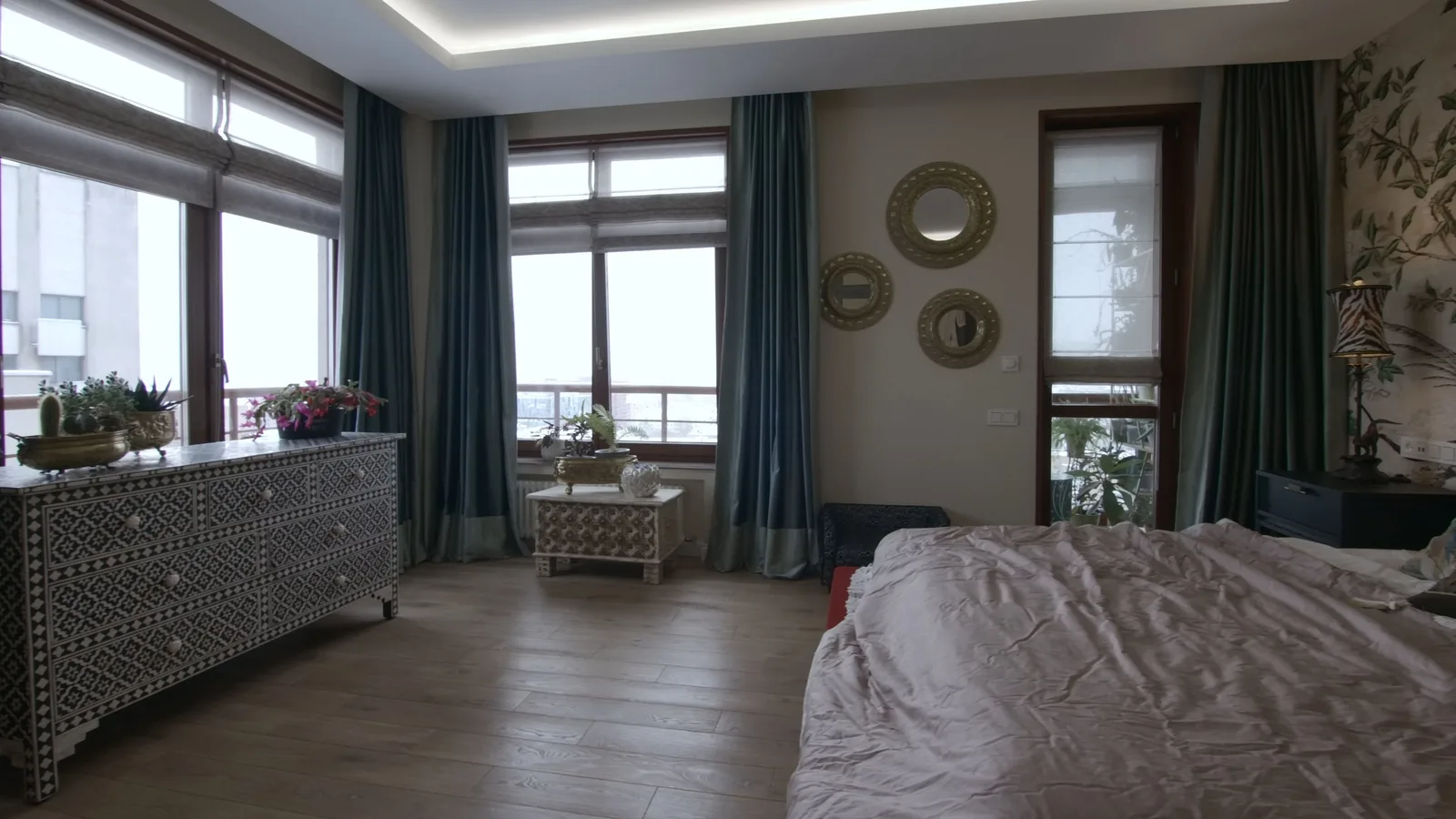
Transforming a small bedroom into a spacious-feeling retreat is achievable with smart design choices and a few practical adjustments. By decluttering, using mirrors and light colors, and maximizing vertical space, you can create an open, airy atmosphere without moving walls. This guide walks you through a step-by-step process, offering specific actions, checks, and tips to ensure you get the most out of your limited square footage. Whether you're a renter or a homeowner, these strategies are budget-friendly and reversible, making them perfect for anyone looking to improve their small space. From furniture selection to lighting tricks, you'll learn how to visually expand your room while maintaining functionality and comfort.
Fast Answer
- Start by decluttering and organizing: clear surfaces, under-bed storage, and remove non-essential furniture to instantly free up floor space.
- Paint walls in light, neutral colors and use large mirrors to reflect light, which visually doubles the room's size.
Before You Start
- Measure your bedroom dimensions and note the window placement, door swing, and existing furniture to plan layout changes effectively.
- Clear out all clutter: remove items you don't use, and sort remaining belongings into keep, donate, or discard piles.
- Gather supplies such as light-colored paint, a large mirror, multi-purpose furniture (like a storage ottoman), and curtain rods mounted high.
- Take before photos to track your progress and identify areas that need the most attention, like dark corners or cramped pathways.
Step-by-Step Instructions
Declutter and Simplify Your Space
Begin by removing everything from your bedroom that doesn't absolutely belong there. Take out piles of clothes, books, and knickknacks, and be honest about what you truly need. For each item, ask yourself if it earns its place by being useful or beautiful. If not, put it in a donation or discard box. After clearing, focus on surfaces: nightstands, dressers, and windowsills should hold only a few small items. Place off-season clothes and extra bedding in vacuum-sealed bags under the bed. Keep only daily essentials on top. This action frees up visual space and makes the room feel instantly larger. Check your progress by walking around the room and making sure you have clear walking paths and no visible clutter. Why does this matter? Because a cluttered room feels cramped and chaotic, even if the actual square footage is decent. By reducing visual noise, you allow your eyes to rest, which makes the space feel more open and serene.
Choose Light and Airy Colors for Walls and Textiles
Painting is one of the most effective ways to alter the perception of space. Select a light, cool color like soft white, pale gray, or light blue for your walls. These colors reflect natural light and create an airy feel. If you prefer a bit of warmth, go with cream or a very light beige. For bedding and curtains, choose white, light gray, or pastel tones. Avoid bold patterns or dark colors, which can weigh down the room. When selecting paint, buy a small sample and test it on your wall; observe it at different times of day. After painting, step back and check that the color looks calm and doesn't create harsh contrasts. The reason this check matters is that lighting conditions change throughout the day, and a color that seems perfect in daylight might feel gloomy in the evening. Properly chosen colors make walls recede, giving the impression of a larger, more open space.
Embrace Mirrors to Double the Visual Space
Mirrors are a designer's secret weapon for small rooms. Place a large mirror on a wall that's perpendicular to a window to reflect daylight and make the room appear twice as big. If you have a closet door, consider replacing it with a mirrored door. Alternatively, lean a full-length mirror against the wall or hang one above your dresser. Position the mirror so it reflects the most attractive part of the room, such as a window or a tidy corner. When you install it, step back and check that you can see the reflection of a window or a light source without it bouncing directly into your eyes. This check ensures you're maximizing the light without creating glare. Reflected light opens up the room, and the visual depth tricks your eye into seeing more space. A mirror also gives you a convenient spot to check your outfit, making it practical and decorative.
Maximize Vertical Space with Tall Furniture and Shelving
When floor space is limited, think upward. Choose furniture that is tall and slender, such as a tall dresser with slim drawers or bookshelves that reach near the ceiling. Install floating shelves above your bedside tables or along a wall to store books, plants, or decorative items. This draws the eye up, making the ceiling appear higher and the room more expansive. Instead of a bulky desk, use a wall-mounted drop-leaf table that folds away when not in use. When placing tall pieces, ensure they don't block windows or doorways. After arranging, check that at least one-third of each wall is left clear at eye level to avoid a cluttered feeling. This check matters because too many tall objects can make the room feel like a storage closet. By utilizing vertical space effectively, you free up floor area for movement and create a sense of airiness.
Select Multi-Functional and Proportionate Furniture
Every piece of furniture in a small bedroom should serve more than one purpose. Choose a bed with built-in drawers underneath or a headboard with shelves. Use a storage bench at the foot of your bed that provides seating and hides extra blankets. If you need a desk, pick one that can fold up or double as a vanity. When buying furniture, measure your room and visualize each piece's footprint; keep at least 24 inches of walkway around the bed. After bringing furniture in, test the chair and bench to ensure they don't obstruct drawer openings or door swings. This practical check is vital because a beautiful piece that blocks access will frustrate you daily. Multi-functional furniture reduces the number of items needed, which directly translates to more open space and less visual clutter.
Utilize Lighting to Enhance Spaciousness
Good lighting can make a small bedroom feel expansive, while dim and shadowy corners make it feel cramped. Start by maximizing natural light: keep window treatments sheer or open during the day. For artificial light, use a combination of ambient, task, and accent lighting. Install a ceiling light if possible, and add table lamps on nightstands and a floor lamp in a corner. Choose bulbs with a warm white tone (around 2700-3000K) to create a cozy yet bright feel. Place lights so they illuminate dark areas, like behind your bed or near a closet. After setting up, turn on all lights and check for any dark zones; if you find any, add an additional lamp or use LED strips under shelves. Proper lighting removes shadows that visually shrink the room, making every corner feel inviting.
Quick Reference
| Situation | Action | Why it helps |
|---|---|---|
| Your bedroom has a window but the room still feels dark and small. | Move any furniture that blocks the window, and hang a large mirror on the opposite wall to reflect daylight. | Reflecting natural light from a window can make the room seem brighter and larger without adding electricity. |
| You have too many clothes and no closet space, leading to clothing piles on visible chairs. | Install an over-the-door organizer, use storage bins under the bed, and consider donating clothes you haven't worn in a year. | Reducing visible clutter removes visual obstacles, instantly opening up floor and surface space. |
| Your bedroom has low ceilings, making it feel boxy and constricted. | Hang curtains and wall art higher than the window frame, and use vertical stripes in bedding or rugs. | Drawing the eye upward creates the illusion of height, making the room feel taller and less confined. |
Common Issues
- Despite decluttering, the room feels cramped because you have a large bed that dominates the space.: If your bed is oversized relative to the room, consider switching to a smaller bed size or a platform bed with open legs to create more floor visibility.
- Dark furniture makes the room feel heavy and smaller.: Paint or refinish furniture in a light color, or cover it with a light slipcover. Alternatively, replace heavy pieces with lighter, visually airy options like glass or lucite side tables.
- Posters and large wall art overwhelm the walls, making the room feel cluttered.: Limit wall art to one or two small pieces, or replace them with a single large mirror. Keep wall decorations at eye level and leave breathing space around them.
Advanced Tips
- Install a ceiling-mounted curtain rod and let drapes hang from the ceiling to the floor to create the illusion of higher ceilings and a more grand window.
- Use a glass or acrylic desk and chairs, which take up less visual space and allow light to pass through, maintaining an open feel.
- Add a light-colored rug that extends beyond the bed's footprint to visually expand the floor area and anchor the bed without making the room feel smaller.
Final Checklist
- All clutter removed and each surface holds only three items or fewer?
- Walls and soft furnishings are in light, neutral colors?
- There is at least one large mirror reflecting a window or light source?
- Furniture pieces are multi-purposed and scaled to the room, with clear walkways?
FAQ
Should I use dark colors in a small bedroom at all?
Generally, dark colors absorb light and make a room feel smaller, so it's best to stick with light shades on walls and large pieces of furniture. However, you can incorporate dark colors as small accents, such as throw pillows or a small vase, to add depth without overwhelming the space.
How many mirrors should I place in a small bedroom?
One or two large mirrors are ideal. Too many mirrors can create confusion and make the room feel like a funhouse. Position them to reflect natural light or an appealing corner, but avoid placing them directly opposite each other to prevent endless reflections.
Is it necessary to buy all-new furniture to make my room look bigger?
No, you can repurpose or modify existing furniture. For example, add legs to a low dresser to create space underneath, or replace a bulky headboard with floating shelves. Focus on layout and decluttering first, which often has the most significant impact.