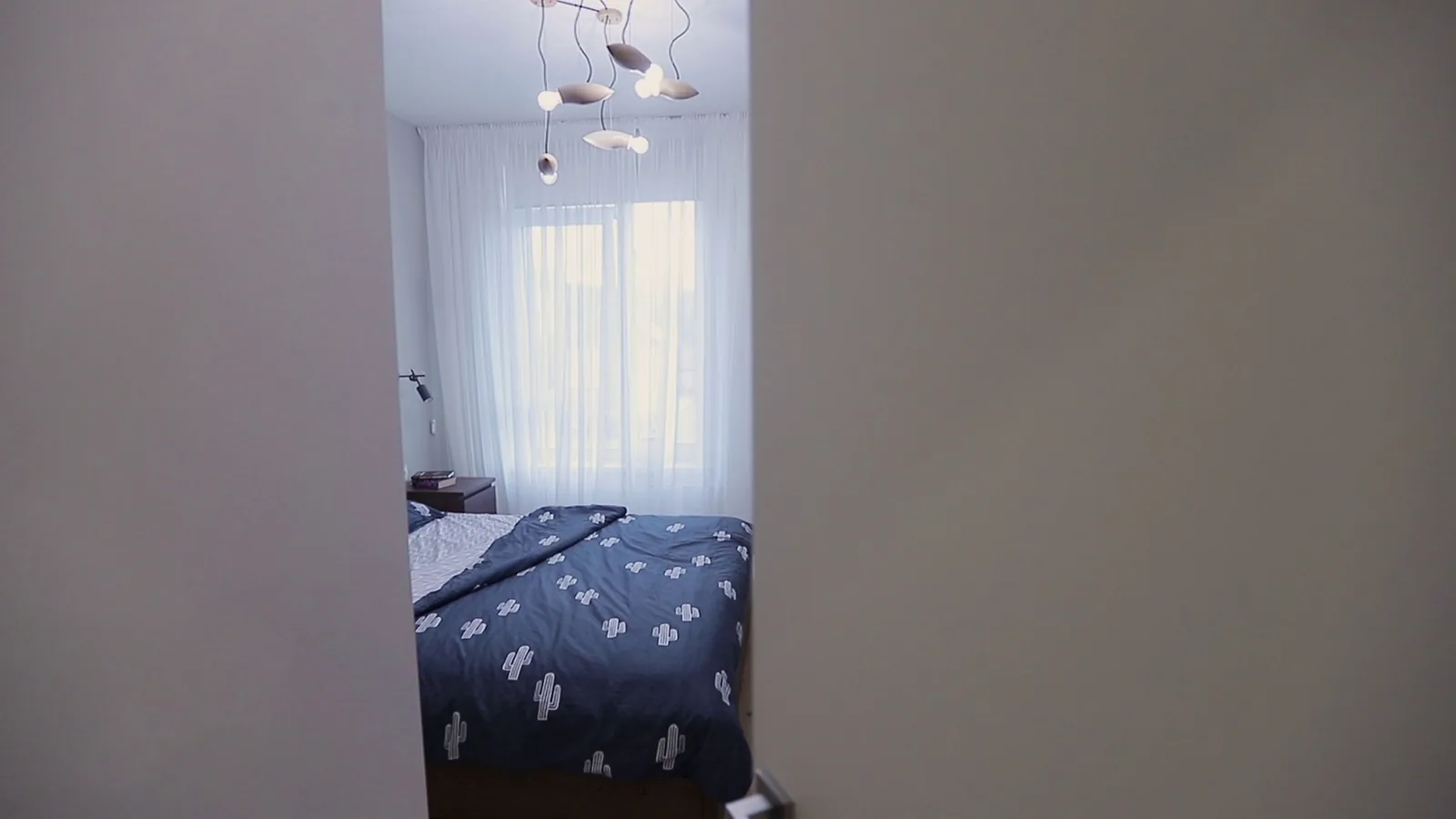
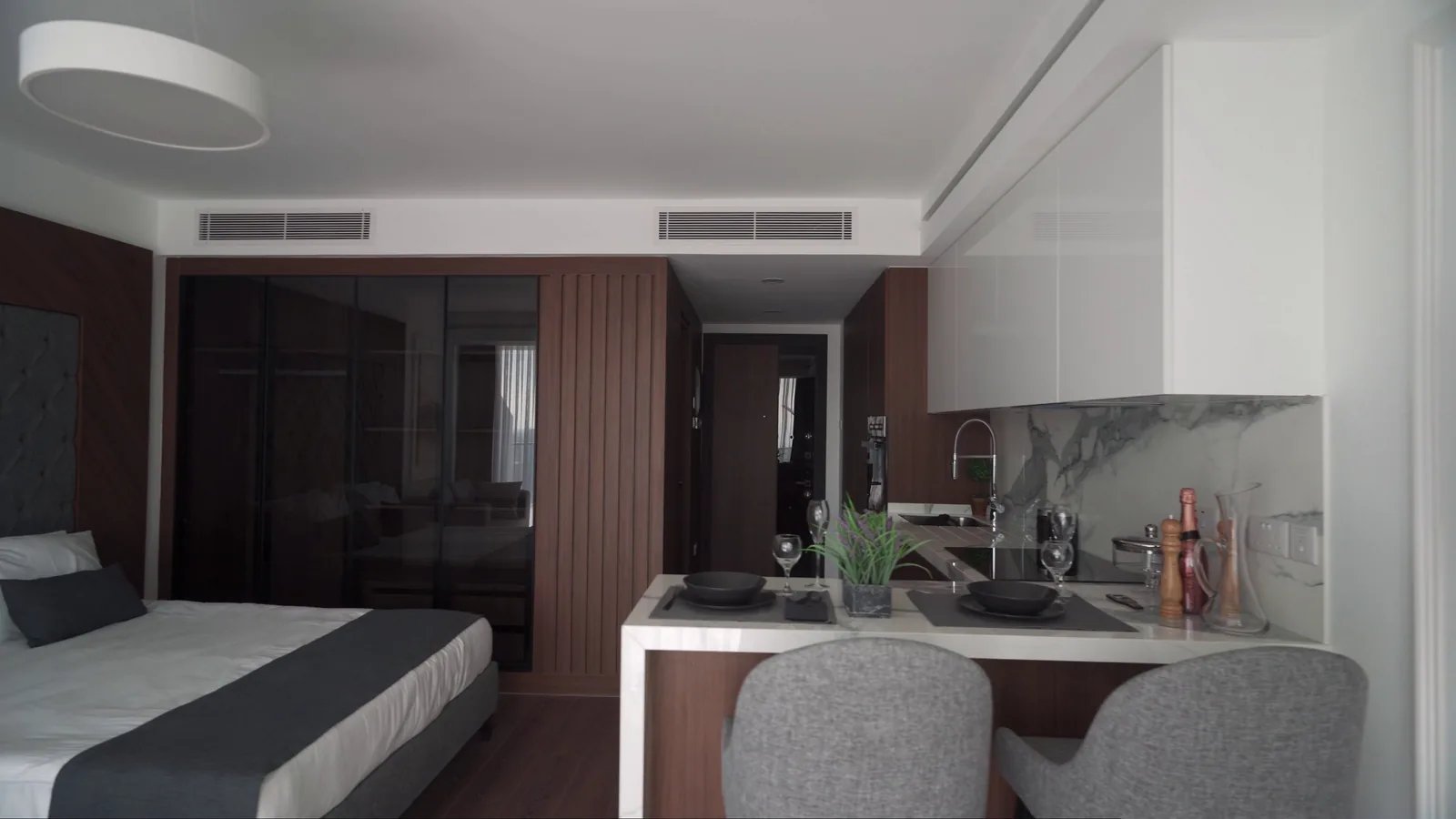
Bedroom Lighting Ideas
A practical step-by-step guide to bedroom lighting ideas, including preparation, instructions, common issues, tips, and next steps.
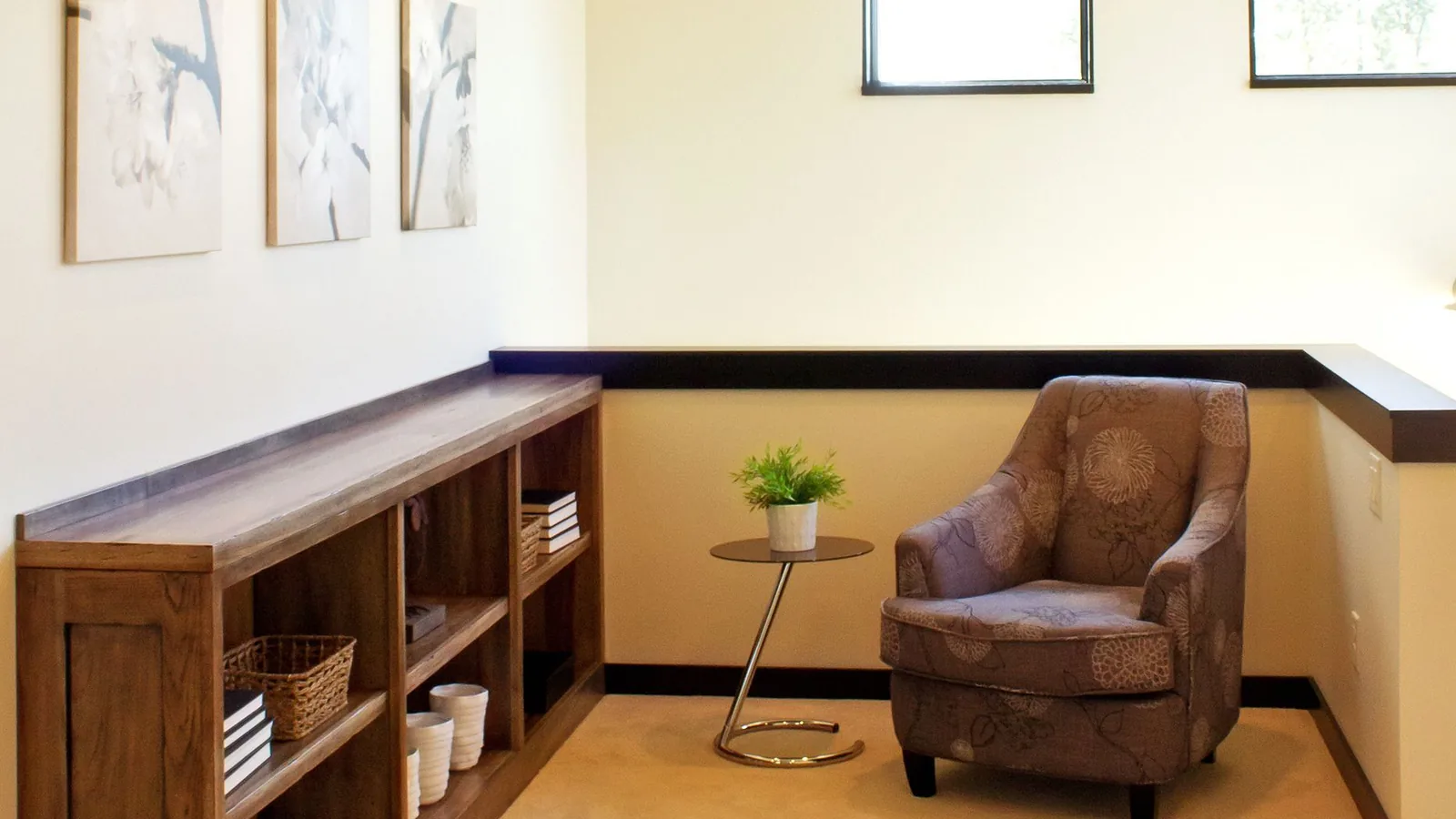
Bedroom Lighting Ideas
Discover how to transform your bedroom into a cozy, functional retreat with layered lighting. This guide covers ambient, task, and accent lighting, plus practical tips for choosing fixtures, placing them correctly, and using dimmers and smart controls. Learn to balance light for relaxation, reading, and dressing, and avoid common pitfalls like glare and uneven brightness. With step-by-step instructions, troubleshooting advice, and advanced techniques, you'll create a personal lighting plan that enhances comfort and style. Whether you're starting from scratch or upgrading existing fixtures, these ideas are easy to implement and budget-friendly.
Fast Answer
- Start by replacing your single overhead light with three layers: ambient (general), task (focused), and accent (decoration). Use dimmers and warm bulbs to set a relaxed mood.
- Place reading lights at each bedside at seated eye level, and ensure closet lighting is bright and shadow-free for easy dressing.
Before You Start
- Measure your bedroom dimensions, including ceiling height, and note window placements to understand natural light zones.
- Decide on a budget and list the activities you do in the room, such as reading, dressing, or relaxing, to prioritize lighting types.
- Inspect your current fixtures and switches, and check the location of power outlets and any existing wiring or ceiling boxes.
- Choose bulbs with a color temperature warm enough for sleep, ideally 2700K-3000K, and consider getting a few different bulbs to test.
Step-by-Step Instructions
Plan Your Lighting Zones and Layers
Begin by sketching a floor plan of your bedroom, marking where your bed, dresser, desk, and closet are. Identify the primary activities in each area: sleeping, reading, dressing, or working. Then assign a lighting type: ambient for general illumination, task for focused activities like reading at the bedside, and accent to highlight art or architectural features. For example, a ceiling fixture with a dimmer serves as ambient, while a swing-arm lamp above the bed is task lighting. Check that each zone has at least ambient and task lighting, and that you have separate switches for each layer. This step ensures you can tailor brightness to your needs and mood, preventing a harsh, one-dimensional room.
Choose the Right Fixtures for Each Layer
Select pendant lights, flush-mounts, or recessed lights for ambient lighting. For task lighting, pick adjustable wall lamps, floor lamps, or portable desk lamps with a focused beam. For accents, consider wall sconces, track lights, or LED strips. Ensure each fixture's style matches your bedroom décor, but prioritize function. For instance, choose a semi-flush mount for rooms with low ceilings to maintain headroom. Check that light bulbs are accessible and that fixtures are rated for indoor use and the bulb type you plan to use. Also, consider dimmable fixtures and bulbs to allow easy adjustment. This careful selection prevents mismatched brightness and aesthetics, making your room both practical and inviting.
Position Lights to Avoid Glare and Shadows
When placing lights, think about how they will hit your eyes and what they’ll illuminate. For reading, position bedside lamps so the shade sits at shoulder level and the light falls onto the book, not over your shoulder. For overhead lights, center them in the room, but avoid directly above a standing person’s head to prevent harsh shadows on the face. For closet or dressing areas, place lights in front of you, not behind, to avoid creating shadows on your body. A good check: stand in each area and mimic typical activities. If you see glints off your TV or mirrors, adjust the angle or add shades. This reduces eye strain and makes the room comfortable for long use.
Install Dimmer Switches and Controls
Dimmers let you control brightness instantly, which is crucial for a bedroom. You can install a standard dimmer switch in place of a regular on/off switch, but ensure your bulbs are dimmable (check the package). For more convenience, consider smart bulbs or smart plugs that work with apps and voice assistants, allowing you to set routines like dimming gradually in the evening. If you rent or can’t alter wiring, use plug-in lamp dimmers or smart bulbs in existing lamps. To check, test each dimmer with the bulb type you’ll use; some LEDs may flicker. This step gives you fine control over ambiance, helping you relax at night and wake gently in the morning.
Add Layered Lighting for Depth and Style
With ambient and task lights in place, add accent lights to highlight your favorite items. Use a picture light above a headboard or artwork, wall sconces to wash walls with soft light, or LED strips under the bed frame or behind a valance. Accent lighting adds visual interest and can make the room feel larger by illuminating vertical surfaces. For a balanced effect, aim for a mix of upward and downward light. Check that accent lights use separate switches so you can turn them on without the main lights. This step transforms a functional space into a cozy retreat, making it feel polished and personal without overwhelming your senses.
Test Your Lighting at Night and Adjust
Spend an evening in your bedroom using only your new lighting. Walk around, read, and do your bedtime routine. Notice if any area feels too dark or too bright, if you see glare from lights, or if you need different switches. Adjust positions, replace bulbs with higher or lower wattage, or add a small lamp where needed. Also, check that the controls are easy to reach from bed and the door. Make sure each layer can be independently controlled. This final step ensures your lighting works for your real needs, preventing frustration and promoting better sleep. It’s the difference between a room that looks good in photos and one that feels right at 2 a.m.
Quick Reference
| Situation | Action | Why it helps |
|---|---|---|
| You want to read in bed without disturbing your partner. | Install a clip-on or swing-arm reading light on your side of the bed, aimed at your book. | This focuses light exactly where you need it, so your partner can sleep in darkness. |
| Your closet is a dark cave where you can't see clothes. | Add a battery-operated LED strip or a small puck light inside the closet, or wire a dedicated closet light. | Bright, shadow-free light in the closet helps you find and match clothes quickly. |
| You want to change the mood from bright work mode to soothing evening. | Install a dimmer switch or use smart bulbs that you can program to lower brightness in the evening. | Dimming reduces harshness and signals your body that it's time to wind down. |
Common Issues
- Overhead light is too harsh and casts unflattering shadows.: Replace the fixture with a semi-flush mount or pendant that has a shade, or use multiple floor lamps to diffuse light. Add a dimmer to reduce intensity.
- Bedside lamps take up too much space on nightstands.: Install wall-mounted sconces or swing-arm lamps directly above or beside the bed, freeing up table space for other items.
- LED lights flicker when dimmed.: Check that both the dimmer and bulb are compatible; older dimmers may not work with LEDs. Replace the dimmer with a modern LED-compatible one, or use non-dimmable bulbs.
Advanced Tips
- Place cove lighting along the crown molding to bounce light off the ceiling and make the room feel taller.
- Use blackout curtains or blinds to control external light and enhance the effect of your indoor lighting for better sleep.
- Combine color-changing smart bulbs with a schedule to simulate sunrise, helping you rise more naturally and gently.
Final Checklist
- Verify that every lighting fixture is installed securely and that all bulbs are correctly seated and working.
- Test that every light can be turned on and off independently from bed and at the door.
- Confirm that bulbs are dimmable and that dimmers work without flicker or buzzing.
- Adjust light positions so that you have no glare on your TV or mirror, and that reading areas are evenly lit.
FAQ
What color temperature should bedroom lights have?
For a bedroom, use warm light around 2700K-3000K. This is often labeled 'soft white' or 'warm white.' It promotes relaxation and is less likely to disrupt your sleep cycle. Cooler light (4000K+) is better for tasks like getting dressed or applying makeup, but reserve it for closets or bathroom vanities. If you're unsure, test a few bulbs in your room at night and see which feels most soothing.
Can I install smart lighting without rewiring?
Yes. Smart bulbs replace your existing bulbs and connect to a Wi-Fi or Zigbee hub, and you control them via an app or voice assistant. Smart plugs can also turn your regular lamps into smart lights, letting you schedule them without new wiring. Just ensure your hub or phone is nearby and your Wi-Fi is strong. Check the packaging for compatibility with your system, and follow the app's setup instructions.
How many layers of lighting do I really need?
At minimum, you should have two layers: ambient (general) and task (for specific activities). Accent lighting is optional but adds depth. In a bedroom, that might mean a ceiling fixture for ambient and a bedside lamp for reading. If you have a large room, you might also add a floor lamp in a corner to illuminate a seating area. The key is to have flexible controls so you can adjust the brightness and mood for different times of the day.