Dining Room Lighting Ideas
A practical step-by-step guide to dining room lighting ideas, including preparation, instructions, common issues, tips, and next steps.
Dining Room Lighting Ideas
Choosing the right dining room lighting transforms the space from a simple eating area into a warm, inviting hub for family meals and entertaining guests. This guide walks you through layering ambient, task, and accent lighting, selecting the perfect chandelier or pendant, positioning lights at the correct height, and using dimmers for flexibility. You'll learn how to match lighting to your dining room's size, style, and daily use, ensuring your fixtures provide both beauty and function. Whether you're updating a single fixture or planning a full lighting overhaul, these practical steps help you create a balanced, comfortable, and visually pleasing dining environment that enhances every meal and gathering.
Fast Answer
- Start by measuring your dining table and ceiling height to choose a fixture that is approximately one-half to two-thirds the width of your table, and hang it 30 to 36 inches above the tabletop, always checking your ceiling type before installing.
- Layer your lighting: use a central chandelier or pendant for ambient light, add wall sconces or a buffet lamp for task lighting, and include a dimmer switch to control brightness for different occasions, ensuring all fixtures match your room's style.
Before You Start
- Measure your dining table's length and width, and note the ceiling height above the table; these dimensions determine the ideal fixture size and hanging height, so use a tape measure to record exact numbers.
- Identify your dining room's layout and existing electrical points; sketch the room and note where ceiling wires, wall switches, and outlets are located to plan new fixtures or repositioning.
- Decide on a lighting style that complements your dining room's decor, such as modern, traditional, or rustic; this choice guides material, color, and design of your fixtures.
- Gather basic tools: a stud finder, voltage tester, screwdriver, wire strippers, ladder, and safety glasses; these are essential for safe installation and adjustment of light fixtures.
Step-by-Step Instructions
Assess Your Dining Room and Table Dimensions
Start by measuring the length and width of your dining table, as well as the ceiling height above it. These numbers are the foundation for choosing a light fixture that is proportionally correct. A general rule is to select a chandelier or pendant whose diameter is about one-half to two-thirds the width of your table. For example, a 36-inch-wide table would suit a fixture between 18 and 24 inches wide. Also, measure the ceiling height: for an 8-foot ceiling, the bottom of the fixture should hang 30 to 36 inches above the tabletop, but for higher ceilings, add 3 inches for every additional foot. Use a tape measure and write down all dimensions so you can refer to them when shopping. This check ensures your light doesn't overpower the table or look too small, creating a balanced visual that enhances the room's atmosphere.
Choose a Primary Fixture Style and Size
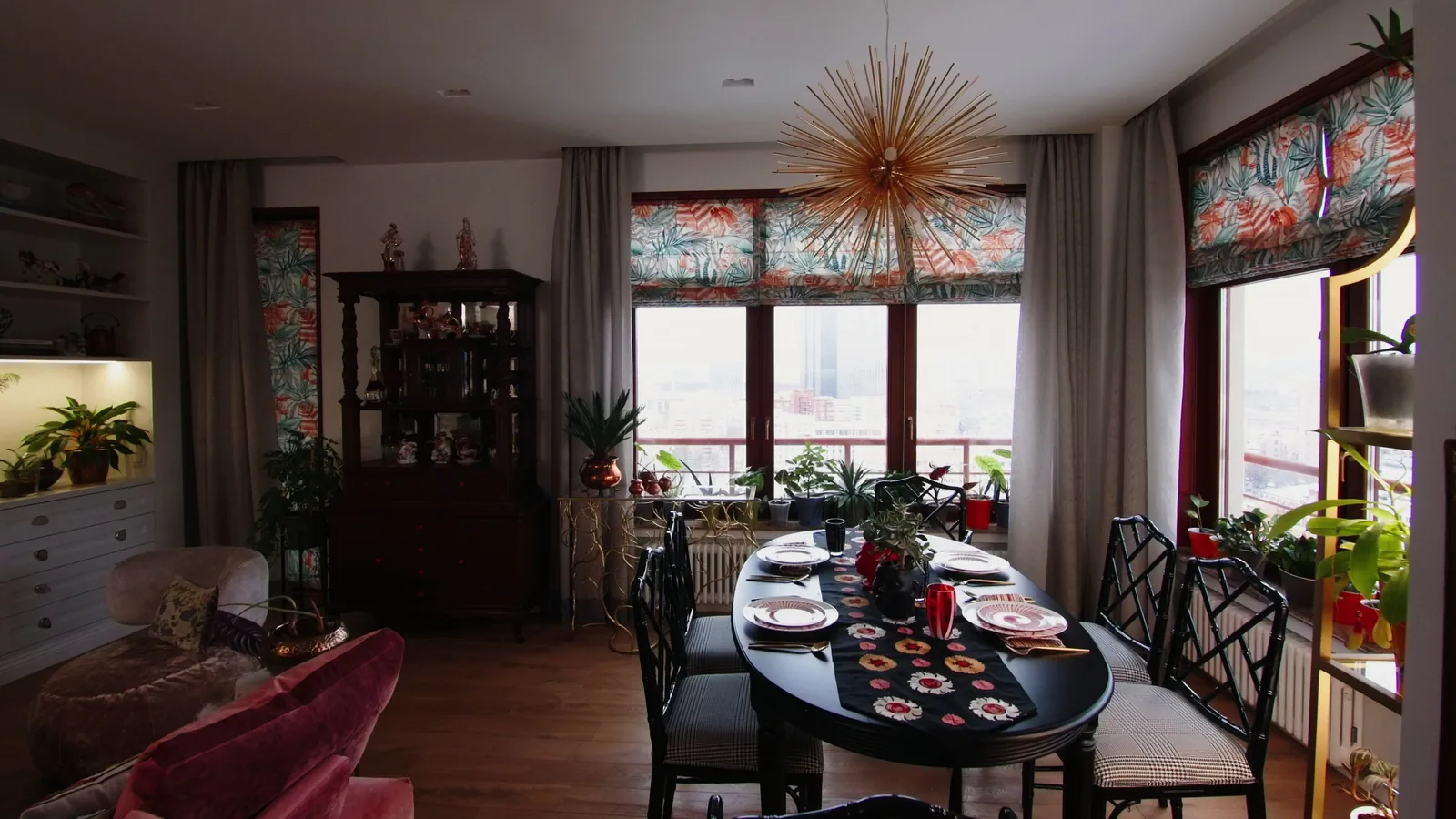
Now that you have measurements, decide on the style of your main light: a chandelier, a single pendant, or a multi-light linear fixture. The fixture should complement your room's decor, whether modern, farmhouse, or traditional. For a dramatic look, consider a large chandelier with several arms; for a minimal space, a simple drum pendant works. Ensure the fixture's width is between half and two-thirds your table's width. If your ceiling is low, opt for a flush mount or semi-flush mount to avoid a cramped feel. When shopping, bring measurements or a tape measure to compare, and always check the fixture's specifications for hanging length and weight. This step locks in the central element of your lighting design. Correct sizing prevents eye strain and visually balances the room, making the table the natural focal point.
Determine Hanging Height and Placement
The height at which you hang your dining room light is critical for both function and aesthetics. For a standard 8-foot ceiling, hang the bottom of the fixture 30 to 36 inches above the tabletop. For every additional foot of ceiling height, raise the fixture by 3 inches. For example, with a 10-foot ceiling, the fixture's bottom should be 36 to 42 inches above the table. If you plan to place the light off-center, such as over a sideboard, adjust accordingly—a pendant for a buffet might hang 12 to 18 inches above the surface. Mark the desired height with a pencil on a string or use a temporary wire to visualize. A common error is hanging too high, which leaves the table dark, or too low, which obstructs conversation. Proper height ensures even light spread across the table without casting shadows on faces.
Layer in Ambient, Task, and Accent Lighting
A single ceiling fixture is rarely enough to create a well-lit dining room. Add ambient light through ceiling recessed downlights or wall-mounted sconces that wash the walls with soft light. For task lighting, especially if you have a buffet or serveware area, install a dimmable pendant or swing-arm lamp above the sideboard. Accent lighting can highlight artwork or a decorative hutch using track lighting or picture lights. Plan these layers so they are controlled separately or together via a multi-switch system. For each layer, choose bulbs with a correlated color temperature of 2700K–3000K for a warm, inviting feel. Check that your dimmer switches are compatible with your bulbs. Layering prevents high contrast between dark corners and a bright table, making the room feel more spacious and comfortable for evening meals and conversations.
Install Dimmer Switches and Smart Controls
Adding dimmer switches is the easiest way to make your dining room lighting flexible. Dimmers allow you to adjust brightness for daily dinners, romantic evenings, or festive gatherings. If your current switches are not dimmable, replace them, but ensure the bulbs you use are labeled 'dimmable' to avoid flickering. For advanced convenience, consider smart bulbs with a hub or Wi-Fi that let you control lights via phone or voice assistant. Before installation, double-check that the wiring and fixture are compatible with dimming; some older fixtures may lack neutral wires. Turn off power at the breaker, then follow manufacturer instructions or hire an electrician. Testing the dimmer at multiple levels lets you fine-tune the perfect ambiance. Proper dimming control reduces energy use and extends bulb life, giving you long-term flexibility.
Test and Adjust the Lighting Design
Once all fixtures are installed, turn on each light individually and together to assess the effect. Walk around the dining table and check for dark spots, glare, or shadows on faces and surfaces. Attach bulbs and adjust the direction of adjustable fixtures, like pendants or track heads, to eliminate harsh shadows. Ensure that the main fixture is centered over the table, not the room, unless it is a secondary piece. Use a light meter or simply observe at night with all lights on. If the space feels too dim, add table lamps or candles for a temporary fix; if too bright, use the dimmer or swap to lower-wattage bulbs. Also, verify that no light fixture hangs too low that it bumps heads. This adjustment phase is where your lighting design comes together, guaranteeing comfort and function for all your dining activities.
Quick Reference
| Situation | Action | Why it helps |
|---|---|---|
| Dining room with 8-foot ceilings and a rectangular table that seats 6. | Choose a linear or multi-pendant fixture that is two-thirds the table width, and hang it so the bottom is 30 to 36 inches above the tabletop. | This proportion and height provide even light distribution without blocking sight lines, and it matches the table's shape for visual harmony. |
| Dining space that doubles as a work area for tasks like homework or crafts. | Install a dimmer on the main fixture and add a swing-arm sconce or small adjustable pendant above a sideboard to provide focused task light. | Dimmer control allows bright light for tasks, while the adjustable sconce targets specific working areas, preventing eye strain and offering flexibility. |
| Low ceiling (under 8 feet) making a chandelier feel overwhelming or risky. | Opt for a flush-mount or semi-flush-mount fixture with multiple bulbs, and use wall sconces to add ambient light at lower levels. | These fixtures provide adequate illumination without encroaching on headroom, and sconces distribute light to avoid dark corners, making the space feel taller. |
Common Issues
- Light hangs too high, leaving the table underlit and room shadows on faces.: Lower the fixture to the correct height (30-36 inches above the table) or increase bulb wattage; check your chain or rod length and adjust accordingly.
- Light hangs too low, causing head bumps or glare.: Raise the light to at least 30 inches above the table; consider a semi-flush mount for low ceilings and ensure the fixture's bottom clears heads by at least 6 feet from floor.
- Dimming causes flickering or buzzing.: Replace bulbs with ones labeled 'dimmable' and verify they are compatible with your dimmer switch; if not, update to an LED-compatible dimmer.
Advanced Tips
- Use multiple pendants over a long table, spacing them evenly about 24-30 inches apart, to create a custom look and ensure even light distribution.
- Install a separate switch for accent lighting so you can highlight artwork or architectural features while dimming the main fixture.
- Consider a smart lighting system that includes preset 'dinner' and 'party' scenes, allowing you to adjust color temperature and brightness with one tap.
Final Checklist
- Confirm the main fixture's diameter is about half to two-thirds your table's width.
- Check that the bottom of the fixture is 30 to 36 inches above the tabletop for an 8-foot ceiling.
- Ensure all bulbs are dimmable and the switch is compatible to avoid flicker.
- Test each lighting layer individually and together to achieve a balanced, glare-free ambiance.
FAQ
How many lights should I use in a dining room?
Aim for at least three layers: a central ambient fixture (like a chandelier), task lighting for side areas (like sconces or a buffet lamp), and accent lighting for decor. Start with a main fixture and add layers as needed; a single central light works for small spaces, but adding sconces or a corner lamp improves versatility.
What is the best type of light bulb for dining rooms?
Use LED bulbs with a warm color temperature around 2700K-3000K to create a cozy atmosphere. Choose dimmable bulbs and check the CRI—90 or higher is best to make colors look natural. Avoid cool white bulbs (above 4000K) as they can feel sterile and harsh.
Can I mix different lighting styles in one room?
Yes, but keep the room cohesive by repeating a common element like finish or shape. For example, pair a modern chandelier with industrial sconces if both use black metal. Stick to a consistent color palette and avoid clashing periods; test with a mood board to see if the mix feels harmonious.