Dining Room Storage Ideas
A practical step-by-step guide to dining room storage ideas, including preparation, instructions, common issues, tips, and next steps.
Dining Room Storage Ideas
A dining room should feel welcoming, but clutter can quickly ruin the mood. This guide walks you through practical storage ideas that blend function with style, from built-in hutches to hidden shelves. You'll learn how to assess your space, choose the right furniture, and organize everyday items so your dining area stays neat and inviting. Whether you have a dedicated room or a corner in a open-plan home, these steps help you create a storage system that works for your family and guests.
Fast Answer
- Start by decluttering your dining room, then choose storage that fits your space and style, such as a buffet, hutch, or wall-mounted shelves.
- Use vertical space with tall cabinets or shelves, and add baskets or bins to keep smaller items organized and out of sight.
Before You Start
- Measure your dining room walls, floor space, and any alcoves to know exactly what furniture will fit comfortably without blocking walkways.
- Sort through your dining items and decide which ones you use weekly, monthly, or only for special occasions—this helps prioritize what to store where.
- Clear out any existing cabinets or shelves, and donate or discard items that are broken, chipped, or no longer needed to make room for what stays.
- Sketch a simple floor plan showing door swings, windows, and outlets so you can place storage without interfering with natural light or traffic flow.
Step-by-Step Instructions
Assess Your Dining Room's Storage Needs
Begin by making a list of everything you need to store in your dining room. Include dinnerware, glassware, linens, serving dishes, and any other items like board games or homework that tend to land on the dining table. Check your current storage: are your cabinets overflowing, or do you have empty shelves? Note what frustrates you most, such as tangled cords, stacked plates that are hard to reach, or a table that's always buried. Next, measure the height, width, and depth of your available wall and floor space, and sketch a simple floor plan. Mark the location of doors, windows, and electrical outlets so you know what you're working with. This assessment is crucial because it gives you a clear picture of what you need and what will fit, preventing you from buying the wrong size or type of storage.
Declutter and Categorize Your Dining Items
Pull everything out of your cabinets and closets and place them on the floor or a table. You'll probably find items you'd forgotten about, like chipped mugs or serving bowls you've never used. Create categories: keep, donate, and toss. Be honest with yourself—if you haven't used a gravy boat in three years, you likely won't. Wipe down items before you put them away, and consider whether you want to display any of them on open shelves. Once you have your 'keep' pile, sort it into groups: everyday dishes, fancy china, linens, and serving pieces. This is a critical step because it reduces the volume of items you need to store and ensures that everything you keep has a purpose. You'll end up with a clearer idea of what storage solutions you actually need, and you'll free up space that was previously lost to clutter.
Choose Storage That Fits Space and Style
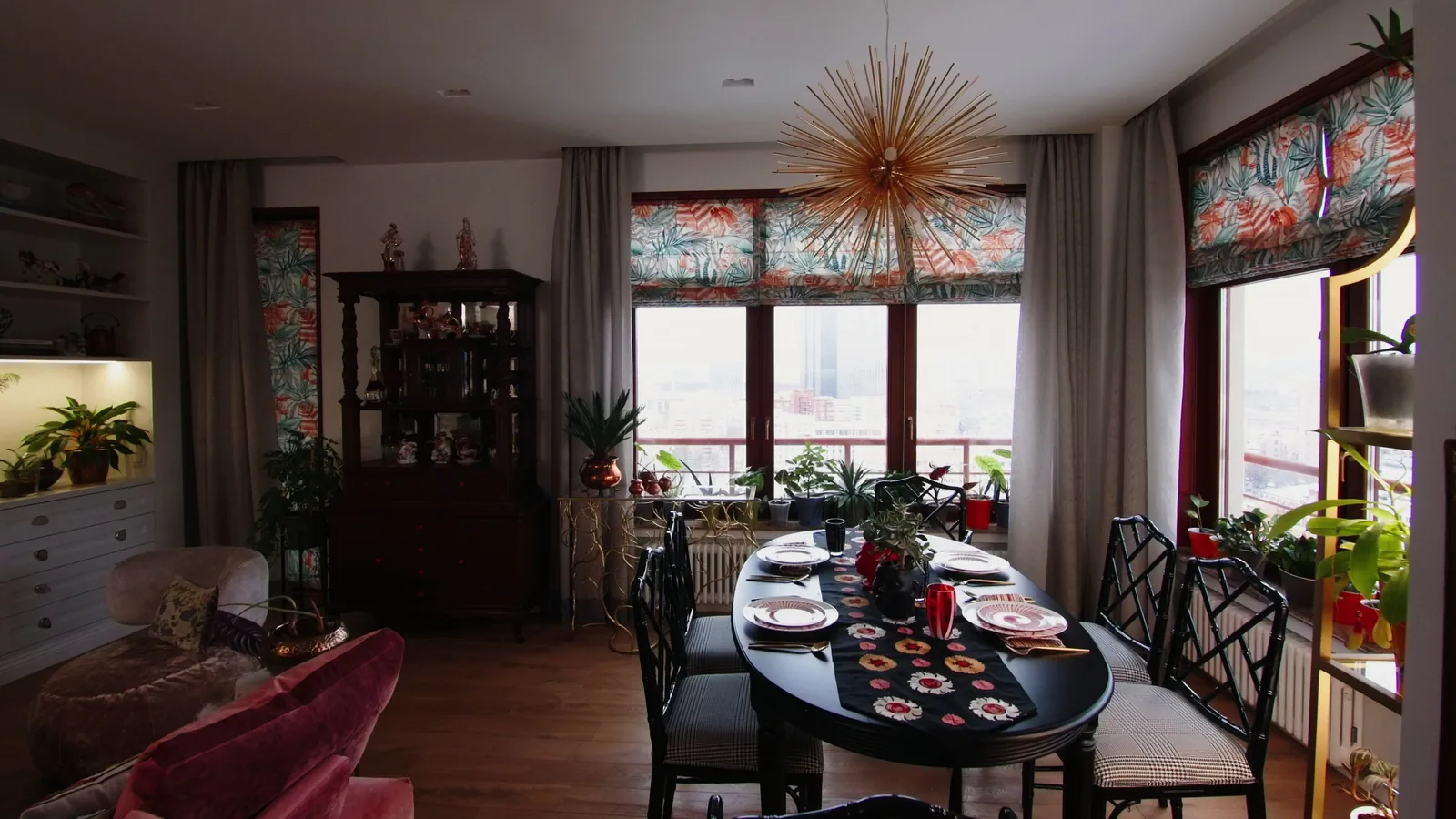
With your measurements and your list of items, it's time to pick storage pieces. For most dining rooms, a sideboard or buffet is a workhorse: it gives you closed storage and a flat top for serving or decorating. If you have high ceilings, consider a tall china cabinet to maximize vertical space. Low, open shelves work well for displaying dishes and adding a light feel, but keep in mind they require regular tidying. If your room is small, look for slim pieces or those with legs that give a sense of openness. Also, think about your style—modern, farmhouse, or classic—and choose pieces that complement it, rather than clash. Try to match the finish to your existing furniture, or use a contrasting stain for a stylish accent. This step is crucial because the right piece will store your items efficiently while also contributing to the room's overall look, making it both functional and welcoming.
Maximize Vertical Space with Shelves or Cabinets
If your floor space is limited, look to your walls for extra storage. Install floating shelves above a sideboard or on an empty wall to hold items you use less often, but keep them tidy. For truly tall rooms, a bookcase or cabinet that reaches near the ceiling can store everything from cookbooks to heirloom dishes. When hanging shelves, make sure they're anchored into studs to support heavy load. Measure the height of the items you'll store so there's plenty of space between shelves—for example, a stack of dinner plates needs at least 12 inches, while barware might need more. Consider using the top shelf of a cabinet for infrequently used items like the fondue set. This vertical approach frees up floor space, making the room feel larger and more open.
Add Baskets and Bins for Flexible Organization
Baskets, bins, and trays are the workhorses that keep daily items accessible while looking stylish. Use a decorative bin on the sideboard to hold napkins or placemats, or a basket on a shelf for cloth napkins when you have guests. For cabinets, clear containers help you see what's inside without rummaging. Lidded baskets are great for hiding toys, homework, or extra chargers that tend to pile up in a dining area used for multiple purposes. When choosing, mix natural materials like seagrass or wicker with metal or wood for texture. label each bin or basket so family members know where things belong. This step adds a layer of flexibility—you can easily move bins as your needs change, and it makes it simpler to keep the room tidy because everything has a home.
Implement a Daily Reset Routine
A storage plan only works if you keep up with it. Set one simple habit: at the end of each day, return any items that are out of place to their designated spots. This might mean clearing the table after dinner, putting dishes in the dishwasher, and storing left-out placemats or candles. Keep a basket on the sideboard specifically for items that need to be taken to other rooms, like school papers or remote controls. Once a week, take a few minutes to tidy up shelves, wipe down surfaces, and ensure everything is in its place. This routine takes only five to ten minutes a day, but it prevents clutter from accumulating and keeps your storage organized. The reason this is effective is that small, consistent actions are easier than marathon cleaning sessions, and it allows you to enjoy a tidy dining room whenever you need it.
Quick Reference
| Situation | Action | Why it helps |
|---|---|---|
| You have a small dining room with limited floor space. | Install wall-mounted shelves above the table or sideboard, and use corner cabinets to maximize storage without eating up floor area. | Using vertical and often-underutilized corners gives you extra storage without making the room feel cramped. |
| Your daily dishes are stacked in a hard-to-reach upper cabinet. | Move everyday dishes to a lower cabinet or a drawer with dividers that sits near the dishwasher or sink. | Storing items closer to where you use them reduces the effort of putting away and setting the table, making it easier to keep things clean. |
| You have a mix of fine china and everyday plates but limited cabinet space. | Keep the fine china in a sealed container or high cabinet for occasional use, and do not store them on open shelves. | Protecting rarely used items from dust and handling allows you to dedicate prime storage to your plates that are used more often. |
Common Issues
- You bought a storage piece that doesn't fit properly or blocks a traffic flow.: Before buying, measure the exact footprint and check clearance for doors and walkways. If you already bought it, try rearranging the room or exchange it for a slimmer or deeper piece that matches your space.
- Open shelves look messy even after a thorough organizing session.: Edit the items you display—put the most-used items in closed storage and only keep a few well-styled pieces on open shelves. Use baskets or bins to hide smaller items and create a curated look with consistent colors and textures.
- You can never find a matching set of dishes or glasses when hosting.: Group sets together and store them in a designated section, with the most commonly used in the easiest-to-reach spot. Use clear risers or vertical racks so you can see each item and avoid stacking too high.
Advanced Tips
- Install a pull-out cutting board or wine rack inside a sideboard cabinet to add functionality without taking up extra counter space.
- Add lighting inside glass-front cabinets, such as LED strip lights, to showcase your dishes and make the storage feel like a feature.
- Use a lazy Susan on a shelf or in a corner cabinet to easily spin and reach items that are stored deep in the back.
Final Checklist
- Measure your room and sketch a floor plan before you buy or build any storage piece.
- Declutter and sort your dining items into keep, donate, and toss piles, and clean everything as you go.
- Choose storage pieces that match your space and style, and make sure they fit without blocking walkways or doors.
- Set up daily and weekly routines to put everything back in its designated place and keep your dining room organized.
FAQ
What is the best way to store everyday dishes in a small dining room?
In a small dining room, use lower cabinets or a sideboard with drawers for everyday dishes to keep them accessible. Consider a dish rack on the counter if you don't have a dishwasher, but also use vertical dividers to stack plates neatly. You can also install a wall-mounted shelf with rails to hang cups and mugs, saving space.
How do I prevent open shelves from looking cluttered?
Limit what you put on open shelves to a few curated items that you use often or that have visual appeal. Use baskets or bins for smaller items and vary the heights of objects to create interest. Make sure everything is clean and dust-free, and commit to tidying them weekly to maintain a polished look.
What storage solutions work best for a dining room that also serves as a home office or kids' homework area?
Use multitasking furniture like a console table with drawers and shelves to hold office supplies or schoolwork. Add baskets or bins to keep items organized and conceal them when not in use. A dedicated drawer or shelf for each person's materials can help keep the space tidy, and using a rolling cart provides flexible storage that can be moved out of the way when you host meals.