Dining Room Weekend Refresh Ideas
A practical step-by-step guide to dining room weekend refresh ideas, including preparation, instructions, common issues, tips, and next steps.
Dining Room Weekend Refresh Ideas
This guide provides a structured weekend plan to refresh your dining room without a full remodel. It covers cleaning, decluttering, updating decor, improving lighting, and adding personal touches. Each step is designed to be completed in a logical order, with practical checks to ensure you achieve a cohesive, inviting space. The guide emphasizes low-cost, high-impact changes that can be done in just two days.
Fast Answer
- Start by clearing the room of everything that doesn't belong, then deep clean all surfaces, from the table to the baseboards, to create a fresh foundation.
- Then, focus on a few key decor swaps like new linens, a centerpiece, and updated wall art to transform the look without a major investment.
Before You Start
- Gather cleaning supplies: all-purpose cleaner, glass cleaner, microfiber cloths, a vacuum with attachments, and a mop or steam cleaner for the floor.
- Set aside boxes or bags for items to donate, discard, or relocate to another room, so you can declutter efficiently.
- Take 'before' photos of the room from multiple angles to help you visualize changes and track your progress.
- Consider your dining room's current style and find inspiration from magazines or online to guide your decor choices.
Step-by-Step Instructions
Clear Out and Declutter
Begin by emptying the dining room of everything that isn't essential to the space. Remove table decor, chairs (if possible), and any items that have been stored on surfaces like paperwork, mail, or kids' crafts. As you remove items, sort them into three piles: keep, relocate, and discard. Ask yourself if each item is used regularly or brings joy to the space; if not, it may not belong in the dining room. Once the room is empty, you'll have a blank canvas to work with and can easily see what needs cleaning or repair. This step is crucial because it prevents you from cleaning around clutter and ensures your refresh starts with a clean slate, making the following steps more effective and less overwhelming.
Deep Clean Surfaces
With the room empty, deep clean every surface. Dust ceiling corners, light fixtures, and window sills, then wipe down walls using a damp cloth or sponge. Clean the windows inside and out, and wipe down the window sills and frames. For the floor, vacuum first to remove loose dirt, then mop or steam clean according to your floor type. Pay special attention to baseboards and under the table area, where crumbs and dust accumulate. Also, wipe down any furniture you plan to keep, such as a buffet or china cabinet, inside and out. This deep clean is essential because it removes allergens and grime that can dull the room's appearance and freshness. A clean room also provides a better base for the decor you'll be adding later.
Refresh Your Table Setting
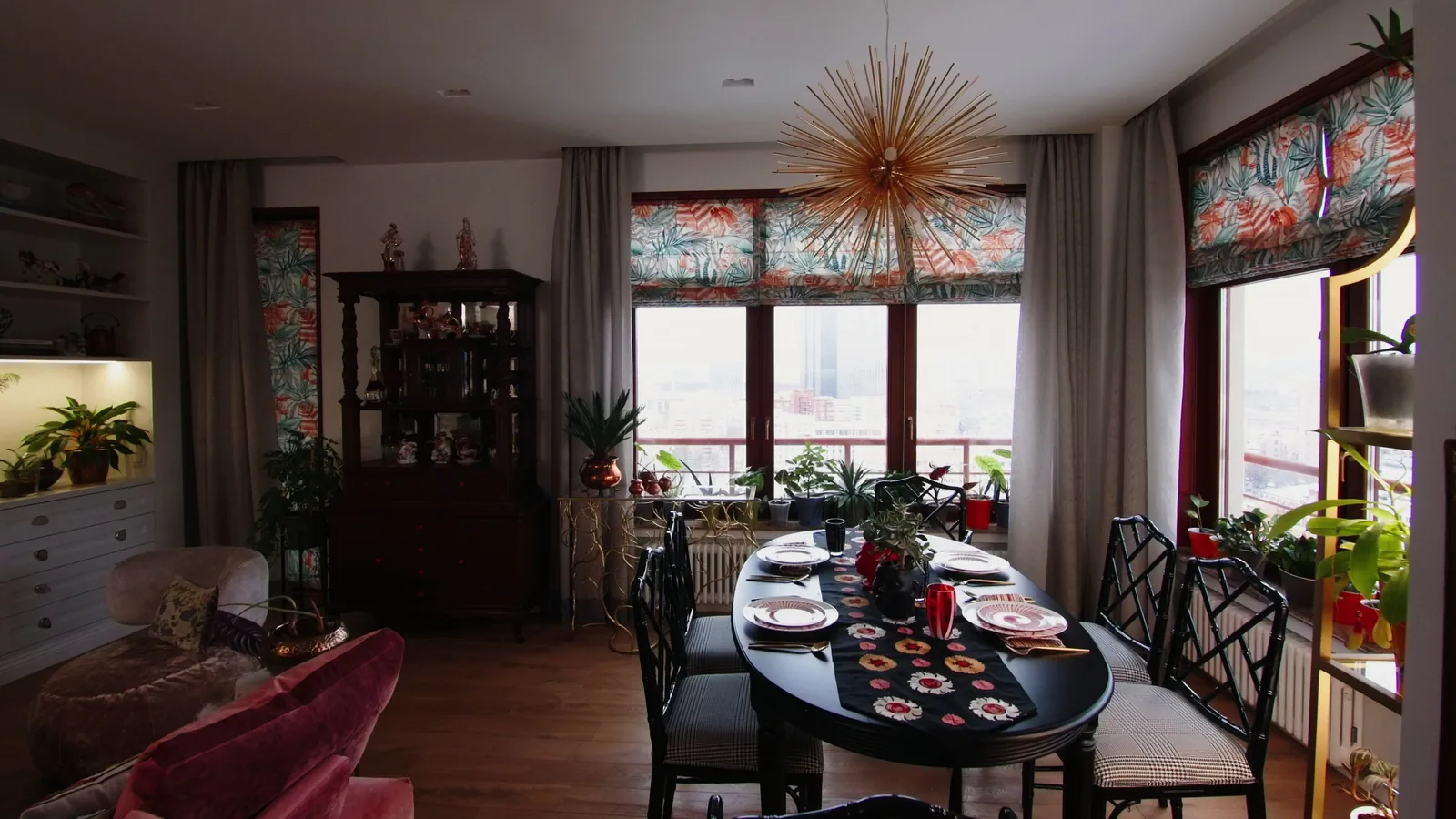
Now focus on your dining table, the centerpiece of the room. If your table has been scratched or dull, consider refinishing or polishing it using a wood-safe product. Then, choose a new tablecloth, runner, or placemats to add color and texture. For a weekend refresh, you can simply rotate seasonal linens or add a new centerpiece. Create a focal point with a vase of fresh flowers, a bowl of fruit, or a sculptural candle holder. Also, consider adding place settings with stylish chargers, cloth napkins, and updated dinnerware if you have it. This step is important because the table is where your family and guests gather, and a refreshed table setting instantly elevates the room's atmosphere and makes meals feel more special.
Update Wall Art and Accessories
Look at your walls and any existing art or decor. Remove pieces that feel outdated or don't match your intended style. Consider creating a gallery wall with a mix of frames, or simply replace one large piece with something new. You can also add shelves to display decorative plates, vases, or photos. When arranging wall decor, hang artworks at eye level, leaving about 6 inches between frames. Also, assess other accessories in the room, such as curtains or blinds, and update them if possible. If you can't change the curtains, add new rod hardware or tiebacks. These changes are important because wall decor and accessories fill empty spaces and add personality, making your dining room feel cohesive and inviting. They also allow you to express your taste without major renovations.
Enhance Lighting and Ambiance
Good lighting transforms a dining room, so reevaluate your current fixtures. Replace or clean your chandelier or pendant light. If you have a dimmer switch, install one to control the mood. Add additional table lamps on a buffet or sideboard to create warm pools of light. Consider swapping out lampshades to a brighter material or different color. Also, add candles in holders or a candle lantern for evenings. For a subtle touch, install battery-operated wall sconces that can be placed anywhere without wiring. These lighting changes are important because they can make the room feel larger, warmer, and more elegant. They also set the stage for festive dinners or quiet family meals.
Add Finishing Touches
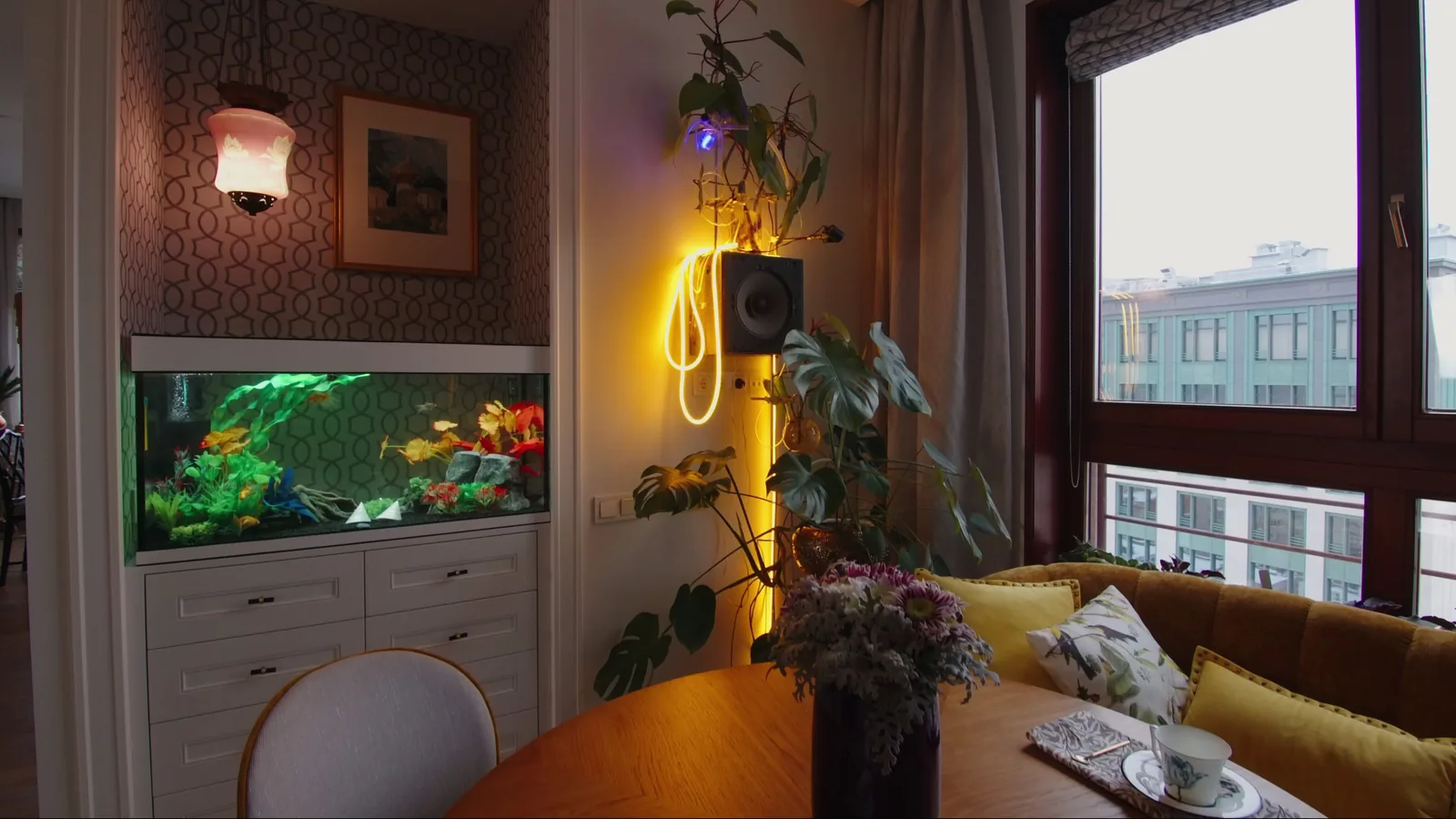
Finally, step back and review the room, adding any finishing touches that pull everything together. Place a cozy throw blanket on a chair or a small rug under the table if you haven't already. Add a scented candle or a bowl of potpourri for a pleasant aroma. Also, incorporate natural elements like a small indoor plant or a vase of dried branches. Consider adding a decorative mirror to reflect light and make the room feel larger. Arrange functional items like a serving tray or a wine rack stylishly on a sideboard. This step is important because the final touches bring a sense of completeness and personality to the room. They also make the space feel functional and lived-in, inviting you to actually use it, not just admire it.
Quick Reference
| Situation | Action | Why it helps |
|---|---|---|
| You have a small dining room that feels cramped. | Use a round table instead of a rectangular one to allow more space to walk around. Also, add a bench on one side to seat more people without chairs. | Round tables have a smaller footprint and promote better conversation, while a bench can be tucked under the table when not in use, freeing up space. |
| The room looks dark but you don't want to install new wiring. | Add plug-in sconces, table lamps, or floor lamps in corners and on sideboards. Also, use higher wattage bulbs (within fixture safety) and add mirrors to reflect existing light. | Layered lighting from sources at different heights brightens the room, and mirrors double the effect by reflecting both natural and artificial light. |
| You want a new look but don't want to buy new furniture. | Paint the walls a new color, change the hardware on existing cabinets, or reupholster chair seats with new fabric. Also, add a bold area rug and update wall art. | These changes create a fresh appearance with high visual impact, and reupholstering or repainting gives new life to existing pieces at a low cost. |
Common Issues
- The room still feels cluttered after decluttering.: Re-evaluate items that you kept and remove any that are not functional or decorative. Consider hidden storage solutions like baskets or a cabinet to hide everyday items.
- The walls look bare after removing old art.: Create a gallery wall using a mix of framed art, photos, and decorative mirrors. Arrange them on the floor first to find a layout you like before hanging.
- The lighting is still dull despite adding lamps.: Switch to bulbs with a higher color temperature (bright white) instead of warm yellow, and ensure that lamps are properly placed in dark corners. Consider adding under-cabinet lighting if you have a buffet.
Advanced Tips
- Install dimmable LED bulbs to easily adjust the mood from bright to intimate.
- Use painter's tape to map out where you plan to place wall art before nailing to avoid multiple holes.
- Consider a rotating seasonal decor collection to refresh the room without buying new items each time.
Final Checklist
- Remove all clutter and sort items into keep, relocate, and discard piles.
- Deep clean all surfaces, including walls, floors, furniture, and windows.
- Refresh the table with updated linens, a centerpiece, and coordinated place settings.
- Enhance lighting with multiple sources and add finishing touches like textures and personal decor.
FAQ
What is the best way to clean a wooden dining table without damaging it?
Use a soft, lint-free cloth slightly damp with water and a small amount of mild dish soap or wood soap. Rub gently along the grain, then dry immediately with another cloth. Avoid harsh chemicals, soaking the wood, and exposing it to direct heat or sunlight. For minor scratches, use a high-quality furniture polish that matches your finish.
How do I choose a color scheme for my new dining room decor?
Start by picking a base color from your existing flooring, furniture, or an art piece you love. Then choose one or two complementary accents. For example, a neutral base with a bold accent like deep blue or emerald green works well. Test paint swatches on the wall and look at them at different times of day to see how light affects the color.
Can I do this refresh in just one day?
Yes, but it depends on the size of your room and how much decluttering you need to do. A focused one-day refresh is possible if you skip the deep cleaning or work quickly. Prioritize the steps: declutter and clean the main surfaces, then update the table and add a few new accessories. For a thorough refresh, a two-day schedule is more comfortable.